Culvert / Dirtwork Services
Property Access Built Into the Ground Right
Culvert installation and dirtwork in Boston for rural road crossings, drainage management, and agricultural site access
CJ Properties installs culverts and performs dirtwork for rural properties across Thomas County where unpaved road crossings, drainage ditches, and agricultural access lanes define how a working property functions. Owners dealing with washed-out entry points, undersized pipes that back up during heavy runoff, or raw land that needs a functional road before any other work can proceed rely on this kind of integrated site work. The connection between a properly sized culvert and a drivable road surface is direct: get one wrong and the other fails within a season or two.
CJ Properties integrates culvert installation directly into the excavation phase of larger site prep and land clearing projects, which means the pipe placement, bedding, and fill sequence happen in the correct order rather than as an afterthought. Material pricing is sourced on-site on the day of the job when required, so pipe diameter, gauge, and fill material reflect what the crossing actually demands rather than a generic package estimate. This approach matters on Thomas County agricultural parcels where access routes cross ditches of varying depth and flow rate, and where undersizing a culvert creates a recurring erosion problem at the headwall rather than a solved one.
Arrange an on-site evaluation to review your property access conditions and determine the correct culvert size and dirtwork scope before breaking ground.
How Culvert and Dirtwork Decisions Get Made on Site
Culvert installation begins with understanding where water moves across the property and what volume that crossing has to carry.
The excavation crew opens the ditch, establishes pipe grade to prevent standing water at either end, sets and beds the culvert, then builds the road surface over it with appropriate compacted fill. Each of those steps depends on the one before it, and skipping or rushing the bedding phase is the most common reason culverts shift, develop low spots at the inlet, or allow the road surface above to sink within a few years.
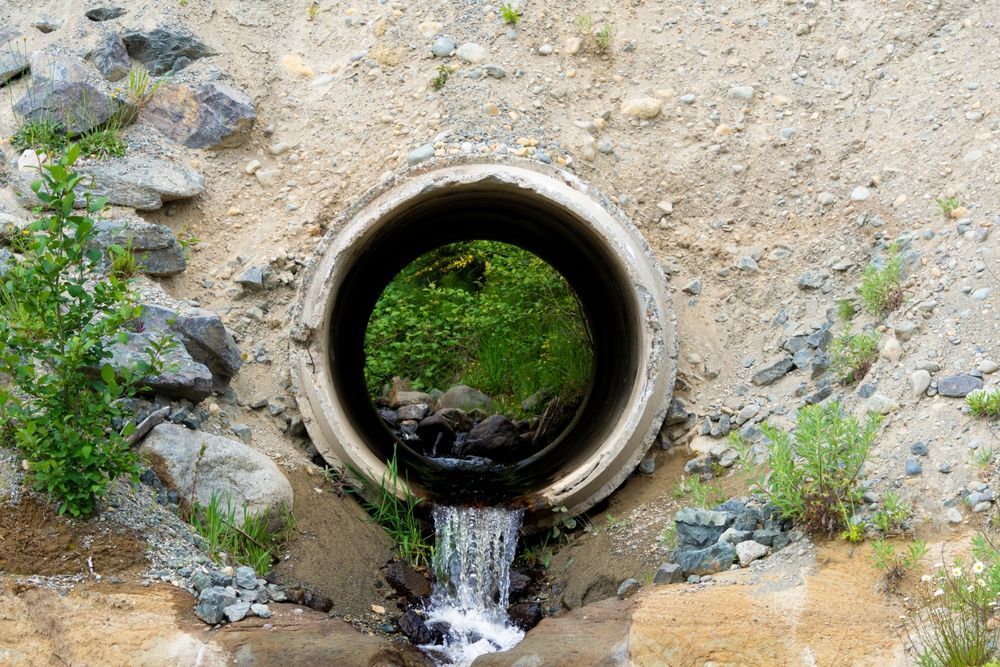
Once the culvert is set and the approach is graded, the difference is immediately visible: a stable, drivable crossing with defined inlet and outlet ends that move water away from the road base rather than through it. Properties that had impassable wet-season entries or standing water pooling across access lanes function differently after the grade is corrected and the pipe is properly sized. The surrounding fill compacts cleanly when the excavation sequence is done in the right order.
Dirtwork on large acreage jobs in this region often involves culvert installation alongside grading, clearing, and material stockpiling as part of a single site prep sequence. CJ Properties coordinates those phases simultaneously so the property reaches a usable condition without repeated equipment mobilization between tasks.
What determines the correct culvert pipe diameter for a rural road crossing?
Pipe diameter is determined by the width and depth of the drainage ditch, the estimated flow volume at that crossing, and the height of fill needed above the pipe to support vehicle weight. Undersizing the diameter restricts flow and causes headwall erosion; oversizing wastes material and makes proper bedding harder to achieve.
How does culvert installation fit into a larger excavation project?
The culvert is installed during the excavation phase before the road surface is built, so the pipe is bedded and backfilled as part of the initial cut rather than added after grading is complete. This sequencing prevents the road fill from having to be disturbed later and keeps compaction consistent across the crossing.
What should the outlet end of a culvert look like when the work is done correctly?
The outlet end should daylight cleanly into the ditch below the road grade with no standing water at the pipe opening and a defined flow path away from the fill. If water pools at the outlet, the pipe was not set to the correct grade during installation.
How do agricultural properties in Boston and Thomas County affect the approach to dirtwork?
Rural parcels in this area often involve long access lanes, multiple ditch crossings, and clay-based fill that behaves differently depending on moisture content at the time of grading. CJ Properties evaluates material conditions on-site before quoting so that fill selection and compaction approach match what the ground is actually doing that day.
What maintenance is typical after a culvert is installed?
Periodic clearing of debris from the inlet end prevents backwater that erodes the headwall, and checking the outlet for scour after significant runoff events catches erosion before it undercuts the pipe. A properly installed culvert with correct sizing and bedding requires minimal intervention under normal conditions.
Common Questions About Culvert and Dirtwork Projects
Rural parcels and agricultural properties in Thomas County each present different crossing conditions, road lengths, and drainage patterns, so the questions below address what actually drives the work rather than generic installation steps.
CJ Properties also performs culvert installation and dirtwork in Thomasville and throughout the broader Thomas County region. Contact CJ Properties at (229) 630-1331 to schedule an on-site review of your property access or drainage situation before excavation begins.
Ready to Get Started with CJ Properties?
We're here to help!
Contact Us
We will get back to you as soon as possible.
Please try again later.