
Hydroseeding Services
Bare Ground Stabilized Before Erosion Takes Hold
Hydroseeding services in Boston for site stabilization, erosion control, and ground cover establishment following excavation and grading
Freshly graded and excavated ground loses topsoil quickly when left exposed, and on large rural parcels the erosion that sets in before vegetation establishes can undo grading work and deposit sediment into drainage paths. Hydroseeding is applied as the final phase of the site preparation workflow after excavation and grading are complete, and CJ Properties provides this service across Thomas County and into Northern Florida as an integrated part of site prep rather than a separate engagement. Property owners who have completed clearing and grading and need the ground stabilized before the next phase of development use this service to protect the work already done.
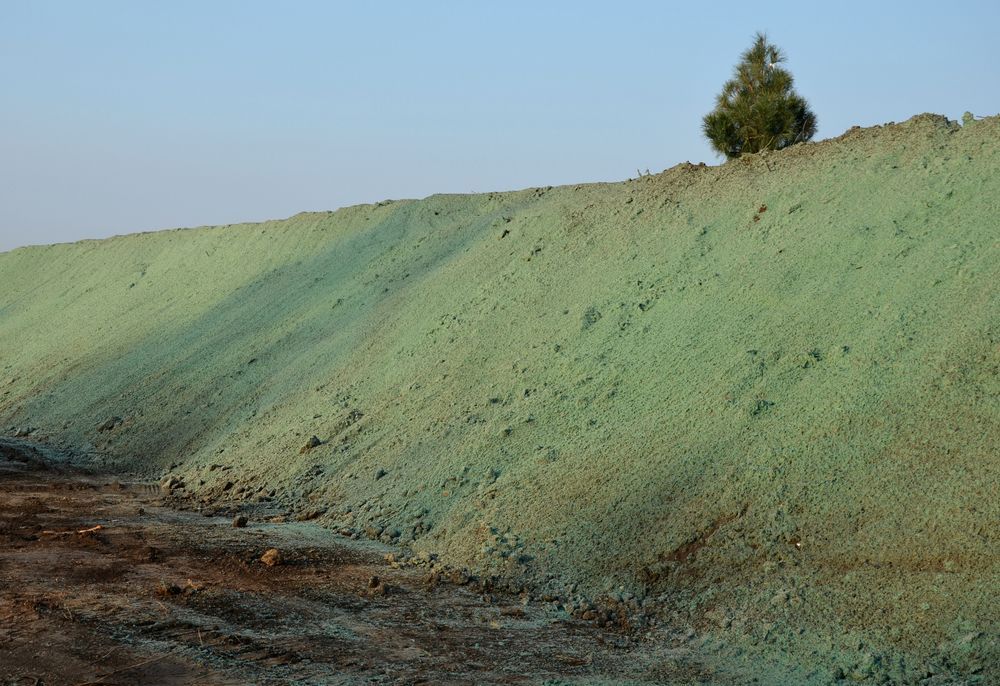
The hydroseeding process combines seed, mulch, and tackifier into a slurry that is sprayed evenly across the graded surface in a single application pass. The tackifier binds the mixture to the soil, which keeps seed in place on slopes and disturbed areas where dry seeding would scatter. Because CJ Properties integrates hydroseeding into the site prep sequence, the application happens after grading is finished and the surface is properly shaped, which means seed is applied to ground that drains correctly rather than to surfaces that will shift or pool before germination begins.
Schedule a post-grading site review to confirm surface conditions and determine the appropriate seed mix and application approach for your property.
Why Hydroseeding Follows Grading Rather Than Precedes It
Applying seed before grading is complete wastes material and produces uneven results because the final surface shape changes during grading and disturbs any germination already underway.
CJ Properties sequences hydroseeding as the last step in the site preparation workflow specifically to avoid that problem. The spray application covers large areas evenly and reaches slopes and irregular terrain that broadcast seeding handles inconsistently, which matters on the larger rural acreage common to Thomas County where the graded area may span multiple acres with varied topography.
Once the slurry dries and germination begins, the visible change on a properly treated site is consistent green coverage across the graded area, including slopes and cut faces that are most vulnerable to surface wash. Bare, exposed soil that was shedding material after grading transitions to a stabilized surface that holds its shape and protects the drainage grades established during excavation. That outcome directly preserves the dirtwork investment by preventing sediment movement that would otherwise require re-grading.
Seed mix selection depends on the intended end use of the property—pasture, fallow stabilization, or permanent ground cover each require different species and density. CJ Properties evaluates the site condition and intended use to determine what application is appropriate rather than applying a single standard mix to every job.
What surface conditions need to be in place before hydroseeding is applied?
The graded surface should be final-shaped, free of large debris or rock piles, and have positive drainage established before the slurry is applied. Applying to a surface that still needs grading work disrupts germination and wastes material on ground that will be disturbed again.
How does the tackifier in the hydroseeding slurry protect seed on slopes?
The tackifier acts as a binding agent that adheres the seed and mulch mixture to the soil surface, preventing rain and runoff from displacing the application before germination anchors the seed. On cut slopes and embankments—common on excavation sites—this bonding is what makes hydroseeding more effective than broadcast seeding on disturbed ground.
When does hydroseeding make sense compared to laying sod or broadcast seeding?
Hydroseeding covers large disturbed areas efficiently and at lower material cost than sod, while providing better slope adhesion and germination rates than broadcast seeding on graded surfaces. It is the appropriate choice for post-excavation stabilization on rural acreage where sod installation is not practical at scale.
How does the intended land use affect what seed mix is applied?
Pasture ground requires a different species mix than a stabilization-only application that will eventually be cleared again. CJ Properties evaluates what the property will be used for after stabilization to make sure the seed applied matches that end use rather than defaulting to a general mix.
What does a properly hydroseeded area look like once germination is established?
Consistent ground cover across the treated surface, including on slopes and transition areas, with no significant bare patches or visible erosion rilling on the graded face. Uneven coverage or bare strips after germination typically indicate surface irregularities or drainage issues that were present before application.
Answers About How Hydroseeding Is Applied
Hydroseeding questions on rural site prep projects in Thomas County often come down to timing, surface preparation, and what the application is actually meant to accomplish on a specific piece of ground. The answers below address those practical considerations.
CJ Properties also provides hydroseeding in Thomasville and across Thomas County and into Northern Florida. Call (229) 630-1331 to discuss your site stabilization needs after grading is complete and confirm the right application approach for your property.
Ready to Get Started with CJ Properties?
We're here to help!
Contact Us
We will get back to you as soon as possible.
Please try again later.